


Reverse Osmosis System (RO)
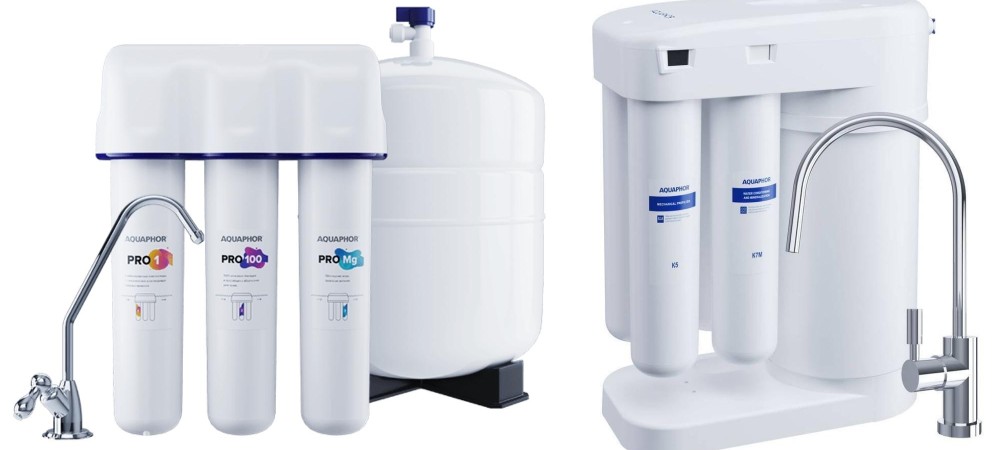
Reverse osmosis system is a water purification technology that utilizes a semi-permeable membrane to remove various contaminants and solids from water. It is based on the principle of osmosis, where a solution with a lower concentration of solutes passes through the membrane into a solution with a higher concentration.
In a reverse osmosis system, water is passed through the membrane under pressure. The membrane allows only water molecules to pass through, while blocking the majority of contaminants such as salts, bacteria, viruses, organic compounds, and some heavy metals. The purified water that has passed through the membrane is called permeate, while the separated contaminants and solids are referred to as concentrate, which is typically discharged.
The advantages of reverse osmosis systems include:
1. Efficient water purification from various contaminants and solids.
2. Removal of salts, which is especially beneficial for desalinating seawater.
3. Improvement in taste, odor, and quality of drinking water.
4. Reduction in the consumption of bottled water, which is more environmentally friendly.
5. Ease of use and relatively low maintenance costs.
However, reverse osmosis systems also have some drawbacks:
1. Water wastage - the reverse osmosis process requires additional water for flushing the concentrate, which can be inefficient in terms of water usage.
2. The separated concentrate contains a high concentration of contaminants and may require special treatment or disposal.
3. Reverse osmosis systems typically require electricity for creating the necessary pressure and operating pumps.
Reverse osmosis systems are widely used for drinking water purification, bottled water production, wastewater treatment, seawater desalination, and other applications where water purification is required.