


Water filtration at home
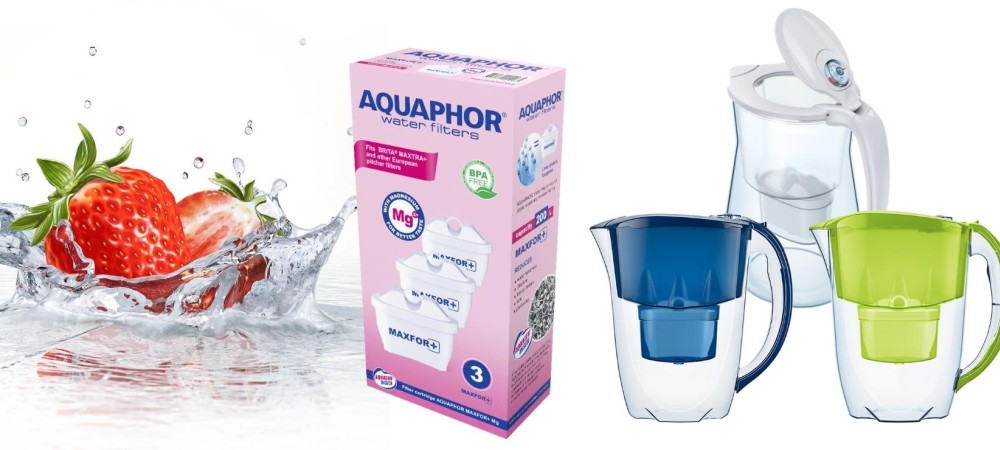
Water filtration at home is an important process for removing impurities and improving the quality of drinking water.
There are several methods of water filtration, and the choice of method depends on specific needs and conditions.
1. Using cartridge water filters: This is one of the most common methods of water filtration at home. The filter consists of a housing and replaceable cartridges with various types of filtering materials that can remove chlorine, organic pollutants, metals, bacteria, and other contaminants. Cartridges usually need to be replaced at specified intervals according to the manufacturer's instructions.
2. Reverse osmosis (RO): Reverse osmosis systems are used to remove a wide range of contaminants from water, including salts, chemicals, bacteria, and viruses. Such a system includes a semi-permeable membrane that allows only pure water to pass through, separating impurities. However, reverse osmosis systems require the installation of special equipment and regular maintenance.
3. Activated carbon: Filters with activated carbon effectively remove chlorine, organic compounds, and some heavy metals. They can be installed on a faucet or used as cartridge filters.
4. Ultrafiltration: Ultrafiltration systems are used to remove bacteria, viruses, and particles from water by passing it through a membrane with small pores. This method can also remove some organic substances and water turbidity.
5. Installation of an ion exchange system: This system is effective for removing water hardness, lead, cadmium, and other heavy metals. In the process of ion exchange, the ions of contaminants are replaced with sodium or other beneficial substances.
Before choosing a specific method of water filtration at home, it is recommended to assess the quality of your water to determine the contaminants present and the parameters that need improvement. It is also important to regularly maintain and replace filters according to the manufacturer's instructions to ensure their effectiveness and safety for use.
Choosing Your Water Purification System
When it comes to selecting a water purification system, there are several factors to consider. Here are some key points to keep in mind:
1. Water Quality: Assess the quality of your water by conducting a water analysis test. Identify the specific contaminants present in your water, such as bacteria, viruses, heavy metals, chemicals, or sediments. This will help determine the type of purification system you need.
2. Contaminant Removal: Different purification methods target specific contaminants. For example, activated carbon filters are effective at removing chlorine, organic compounds, and some chemicals, while reverse osmosis systems can eliminate a wide range of impurities, including dissolved solids, bacteria, and viruses. Understand the capabilities of each system and match them to your water quality needs.
3. System Maintenance: Consider the maintenance requirements of the purification system. Filters and membranes may need periodic replacement or cleaning to ensure optimal performance. Look for systems that are easy to maintain and have accessible replacement parts.
4. Water Usage: Evaluate your daily water usage to determine the appropriate system size or capacity. Consider factors such as the number of household members, water consumption habits, and flow rate requirements.
5. Budget: Set a budget for your water purification system. Costs can vary depending on the type of system, brand, and additional features. Take into account the initial purchase price, installation costs, and ongoing maintenance expenses.
6. Certification and Testing: Look for purification systems that have been certified by reputable organizations, such as NSF International. These certifications indicate that the system meets specific standards for contaminant reduction.
7. Installation and Space: Consider the installation requirements and available space in your home. Some systems may require professional installation, while others can be easily installed by homeowners. Ensure that you have adequate space for the system and any additional components, such as storage tanks or faucets.


